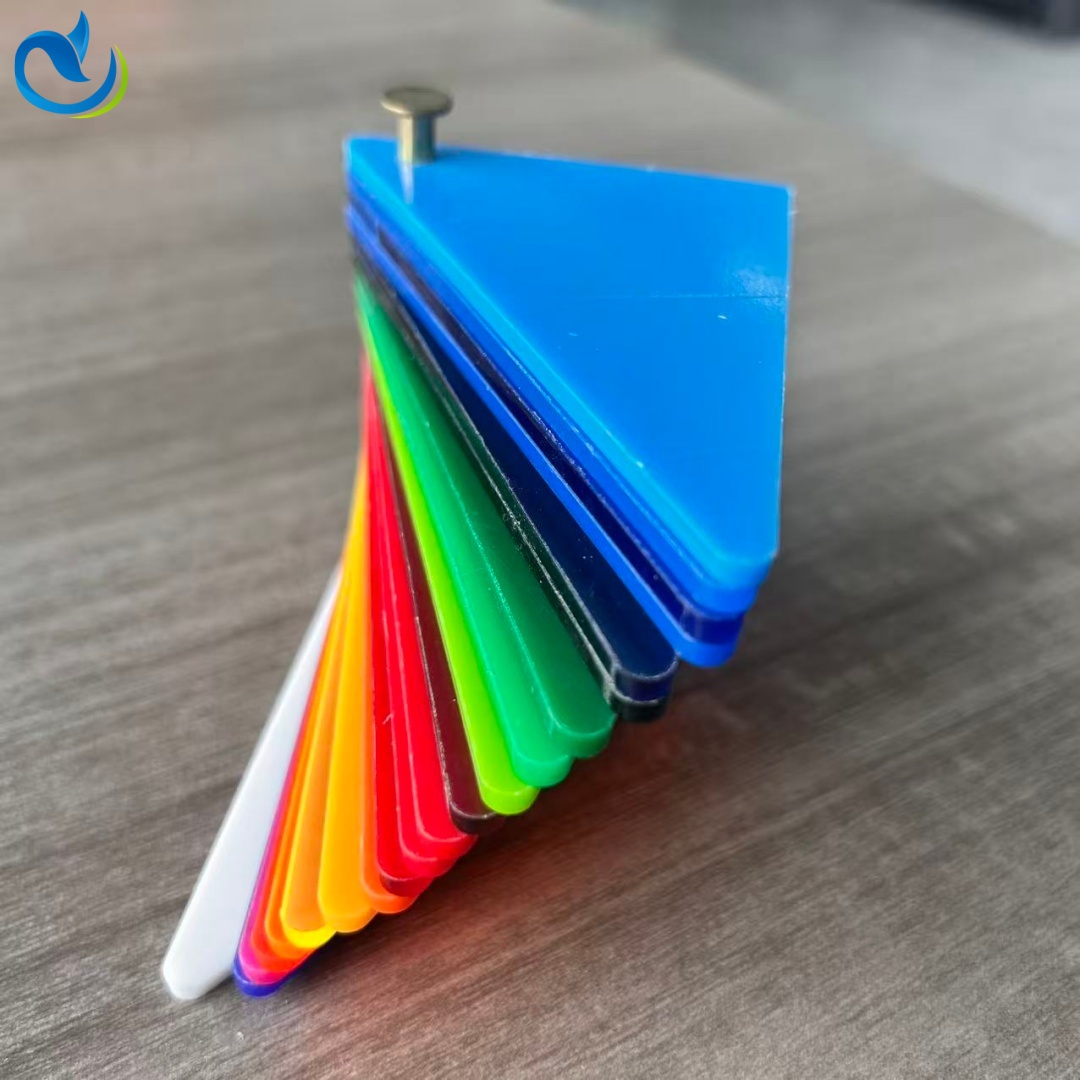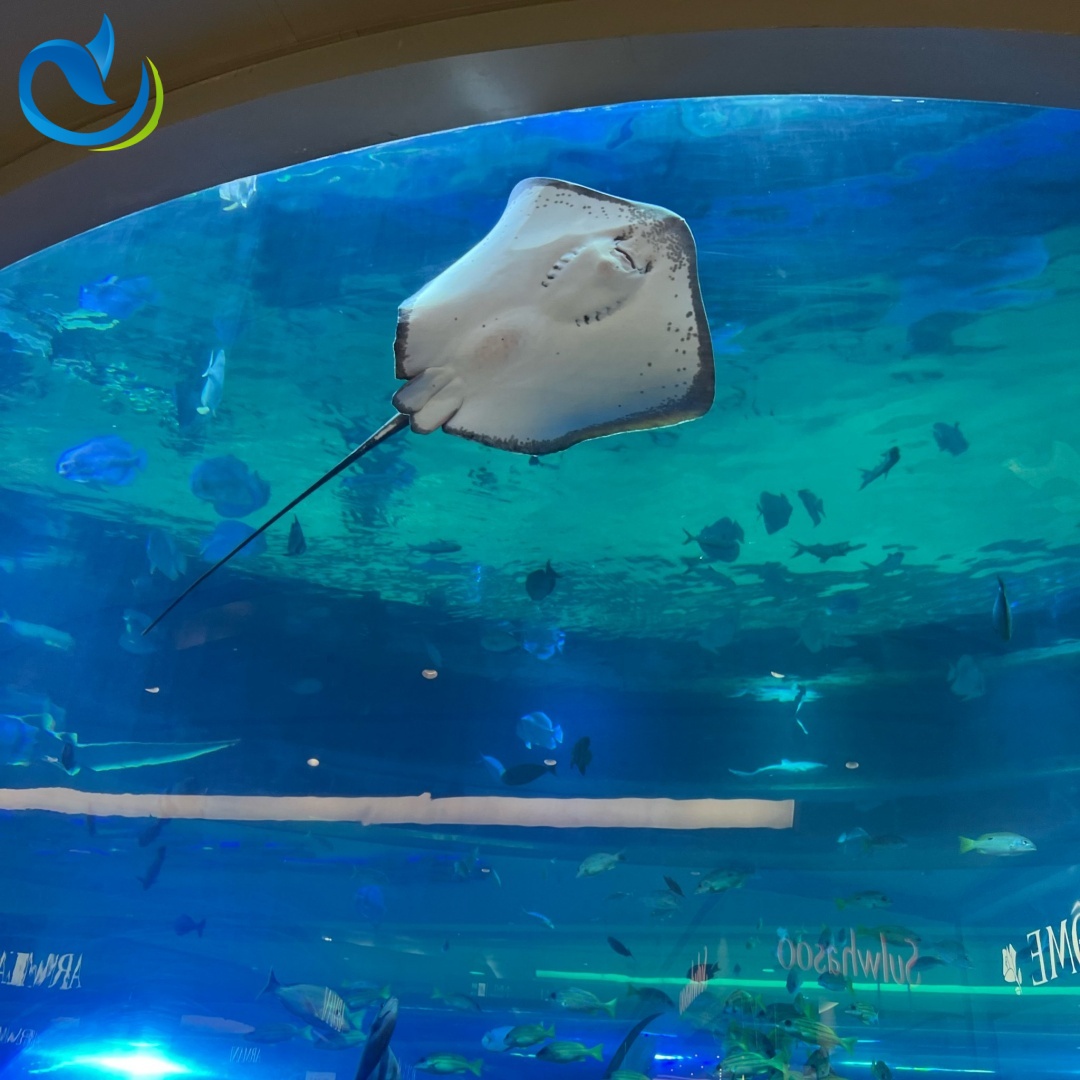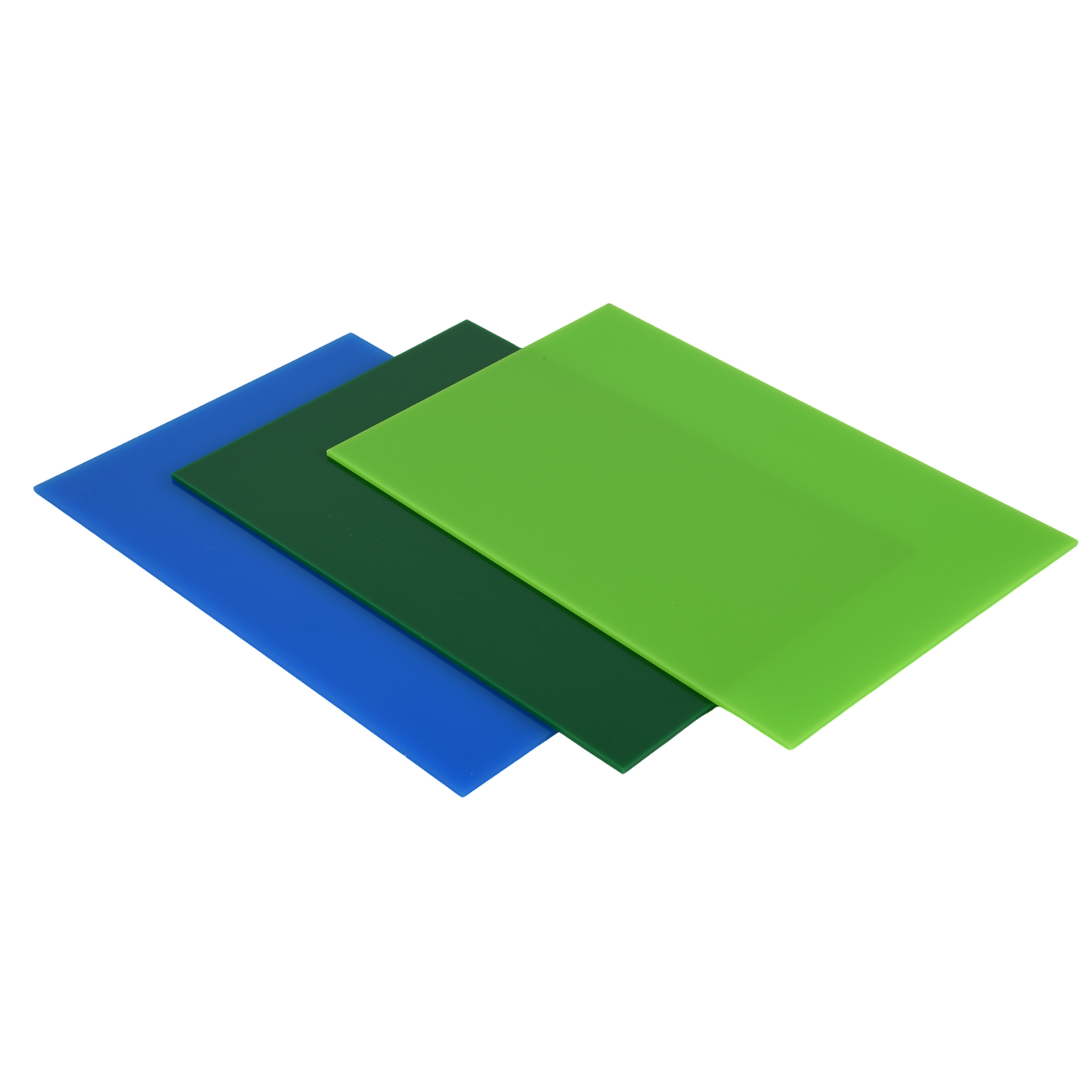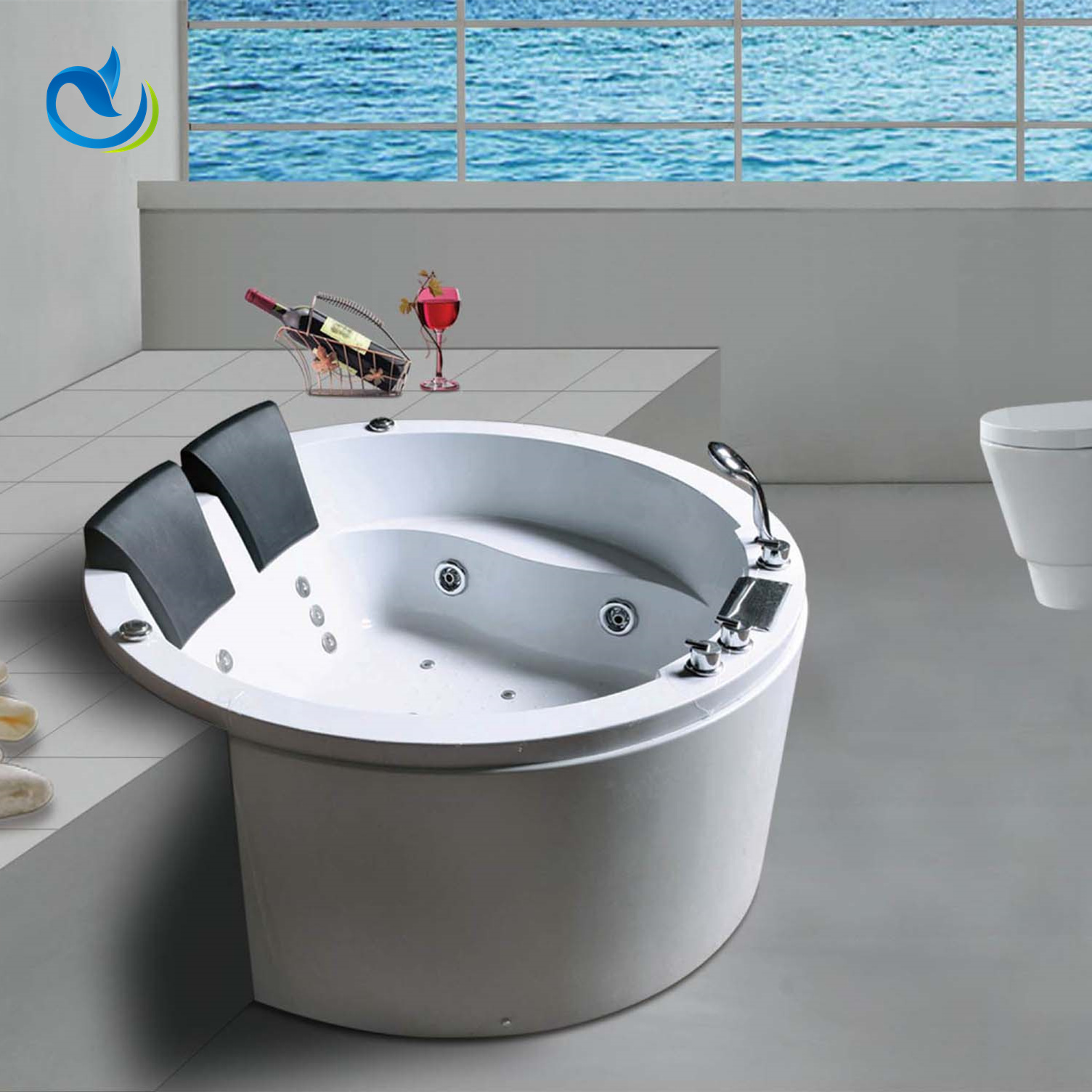
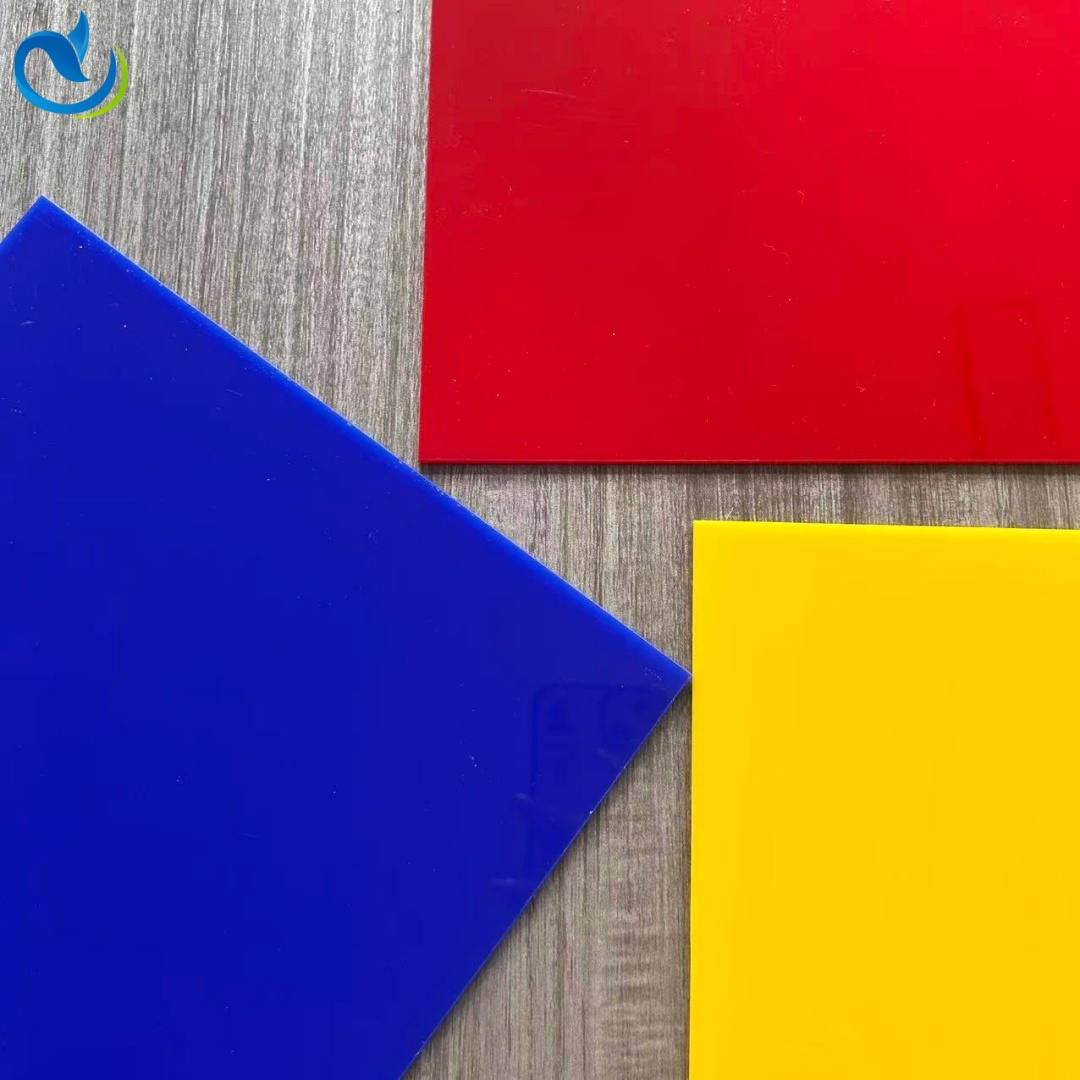
There are many types and specifications of sheet materials.Choose based on different performance, colors, and visual effects to meet the diverse needs of users.
Common boards include transparent boards, dyed transparent boards, opal boards, and colored boards; special boards include bathroom boards, cloud boards, mirror boards, fabric-reinforced boards, hollow boards, impact-resistant boards, flame-retardant boards, super wear-resistant boards, surface patterned boards, frosted boards, pearlescent boards, and metal-effect boards, etc.According to the different manufacturing processes of acrylic sheets, they can be further divided into extruded sheets, cast sheets, thermoformed sheets, and injection-molded sheets.
Extrusion-molded sheets
Polymethyl methacrylate can also be produced by extrusion molding. The granular materials produced by suspension polymerization are used to manufacture organic glass sheets, rods, pipes, sheets, etc.However, the profiles prepared in this way, especially the sheets, have lower mechanical properties, heat resistance, and solvent resistance compared to cast profiles due to the low molecular weight of the polymer. Their advantage is high production efficiency.Especially for pipes and other profiles that are difficult to manufacture using the casting method and molds.Extrusion molding can use single-stage or two-stage venting extruders, with a screw length-to-diameter ratio generally between 20 and 25.
Molded forming sheet
Molded forming is used for shaping organic glass sheets, rods and other profiles, that is, to form profiles by the body polymerization method.The cast products need to undergo post-processing. The post-processing conditions are holding at 60°C for 2 hours and then at 120°C for 2 hours.
Thermal forming sheet
Thermal forming is the process of converting organic glass sheets or sheets into various sized and shaped products. The cut pieces of material that have been sized to the required dimensions are clamped onto the mold frame. They are heated to make them soft, then pressurized to adhere to the mold surface, resulting in a shape identical to the mold surface. After cooling and shaping, the edges are trimmed to obtain the finished product.Pressurization can be achieved by vacuum drawing or by directly applying pressure using a die with a specific surface profile.When forming products using rapid vacuum low stretch technology, it is advisable to use temperatures close to the lower limit. When forming products with complex shapes through deep stretch, it is recommended to use temperatures close to the upper limit. Generally, normal temperature should be adopted.
Injection Molded Sheets
Injection molding uses granules made by suspension polymerization and is carried out on standard plunger or screw-type injection molding machines.Acrylic is molded through injection molding. The injection-molded products also require post-processing to eliminate internal stress. The processing is carried out in a hot air circulation drying oven at 70-80℃. The processing time for acrylic rods depends on the thickness of the product, and generally, it takes about 4 hours.