
Description
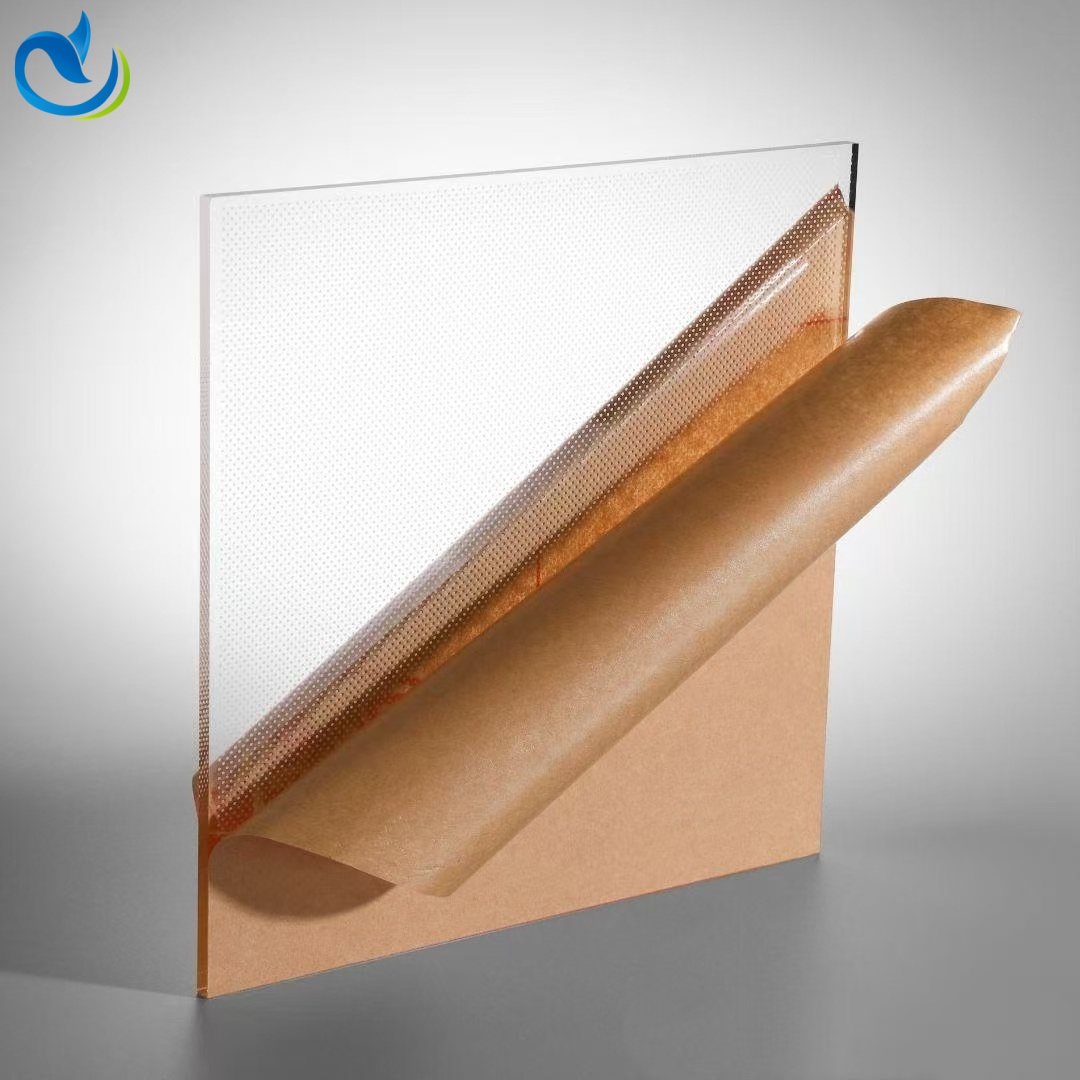
Using optical-grade acrylic PMMA as the substrate, the backlight module technology from LCD displays and laptops is employed. Through the high light transmission efficiency of the light guide point, computer calculations determine the light guide plate’s refractive properties, enabling the formation of a uniform surface light source.The product is made by combining the principle of spectral analysis with digital UV printing technology and is produced under constant temperature, humidity and dust-free conditions.It features distinct advantages such as ultra-thin, ultra-bright, uniform light distribution, energy efficiency, environmental friendliness, no dark zones, durability, resistance to yellowing, and simple, quick installation and maintenance.
The common parameters of acrylic light guide plates depend on the type of acrylic substrate used, and are typically as follows:
Size of imported acrylic: 2.05×3.05m
Sizes of the domestic acrylic (recycled material) are: 1.25×1.85/2.45 meters; 1.22×1.82/2.44 meters; 1.23×1.83 meters.
Size of domestic acrylic (new material): 1.25/1.22/1.241.85/2.44/2.46m (thickness 3mm~12mm transparent);1.25/1.22/1.24×1.85/2.44/2.46 meters (thickness 14mm – 25mm transparent)
The common thicknesses are 6mm, 8mm, 10mm, 12mm and 20mm.
The manufacturing process of acrylic light guide plates is mainly divided into two types: printed and non printed.The printed light guide plate is made by using screen printing with light guide ink on a mesh plate.Light guiding ink has the functions of refraction and high reflection of light rays, which can change the direction of side incident light into planar light.The manufacturing process of non-printing optical light guide plates includes direct injection molding, chemical etching, laser engraving, and V-cutting technology.


Reviews
There are no reviews yet.