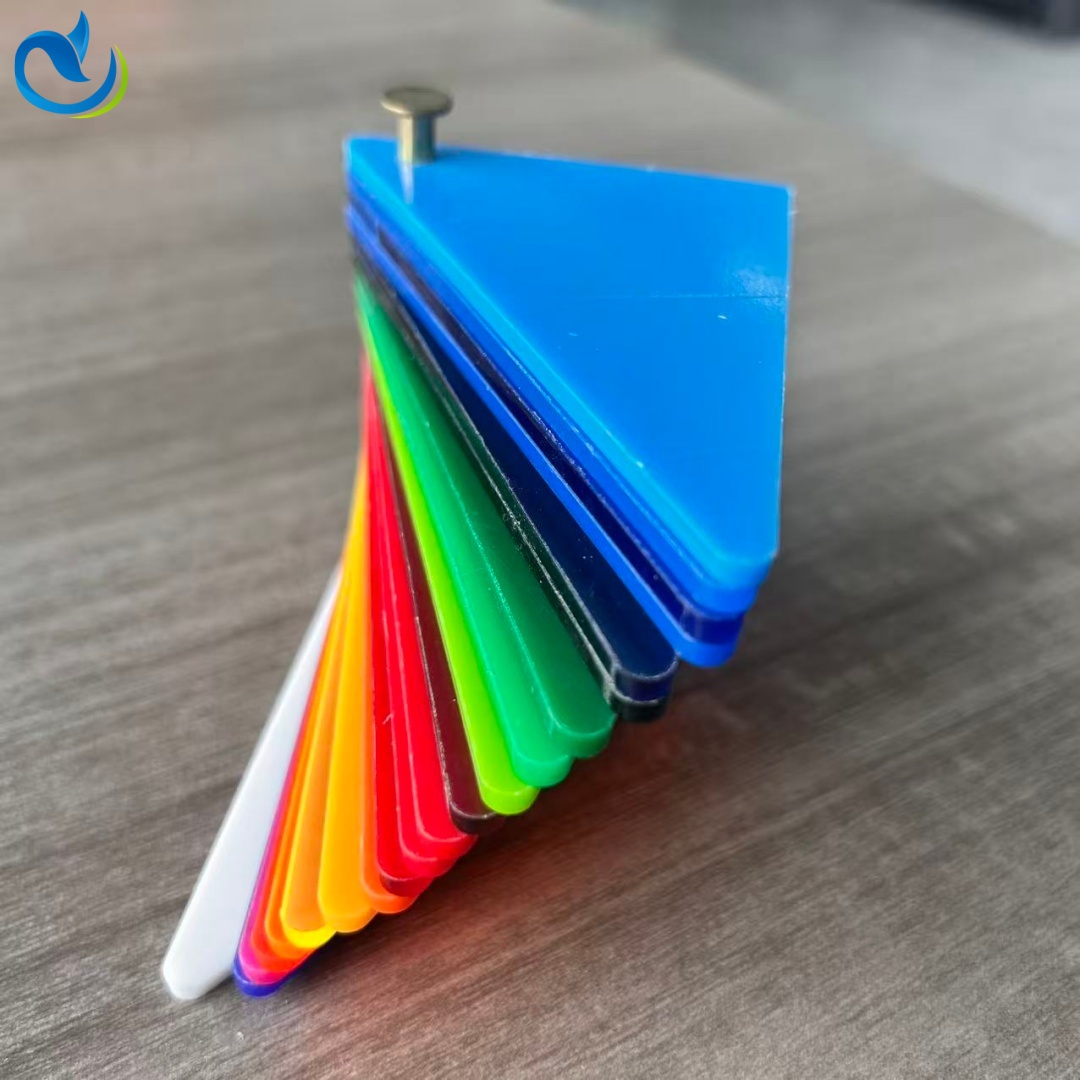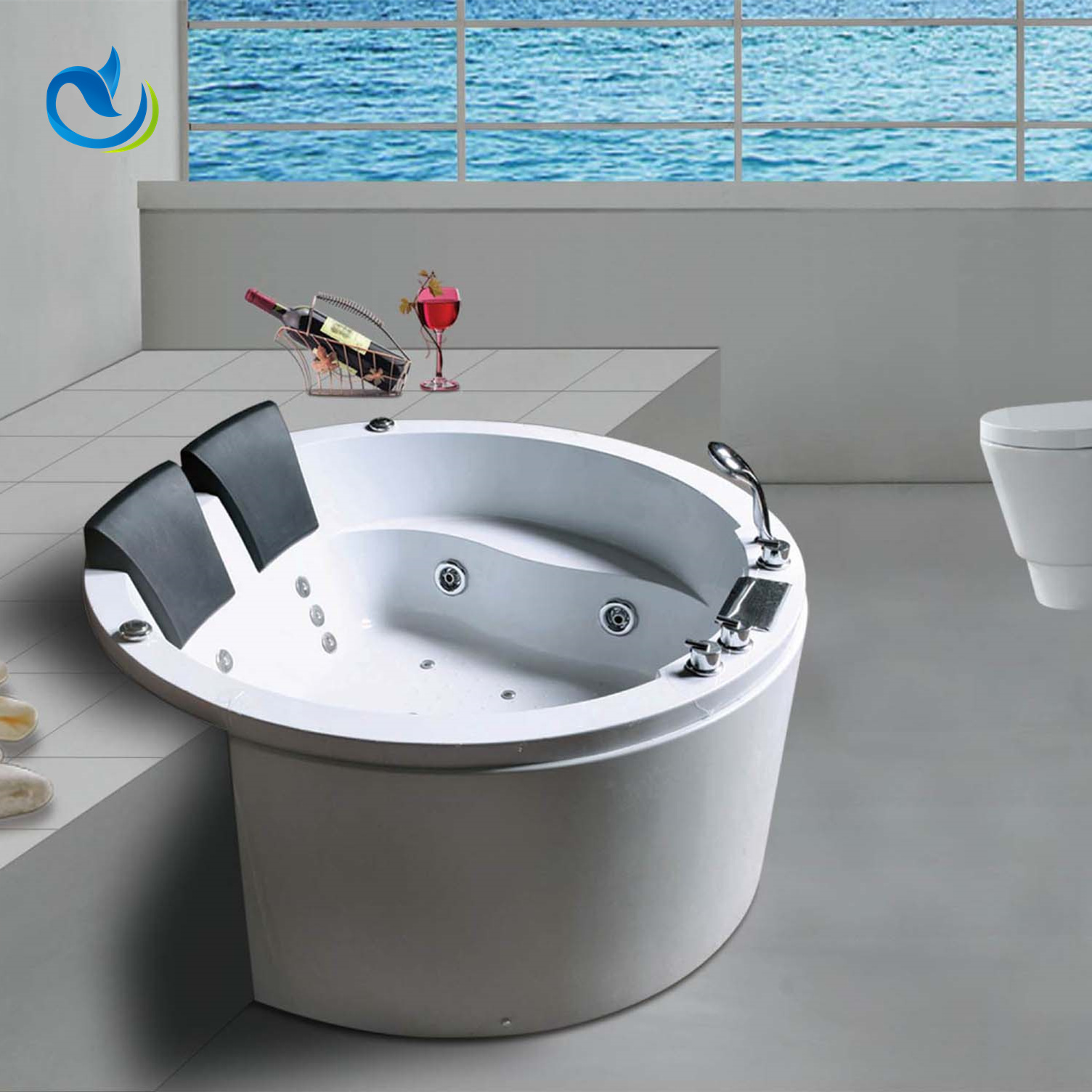
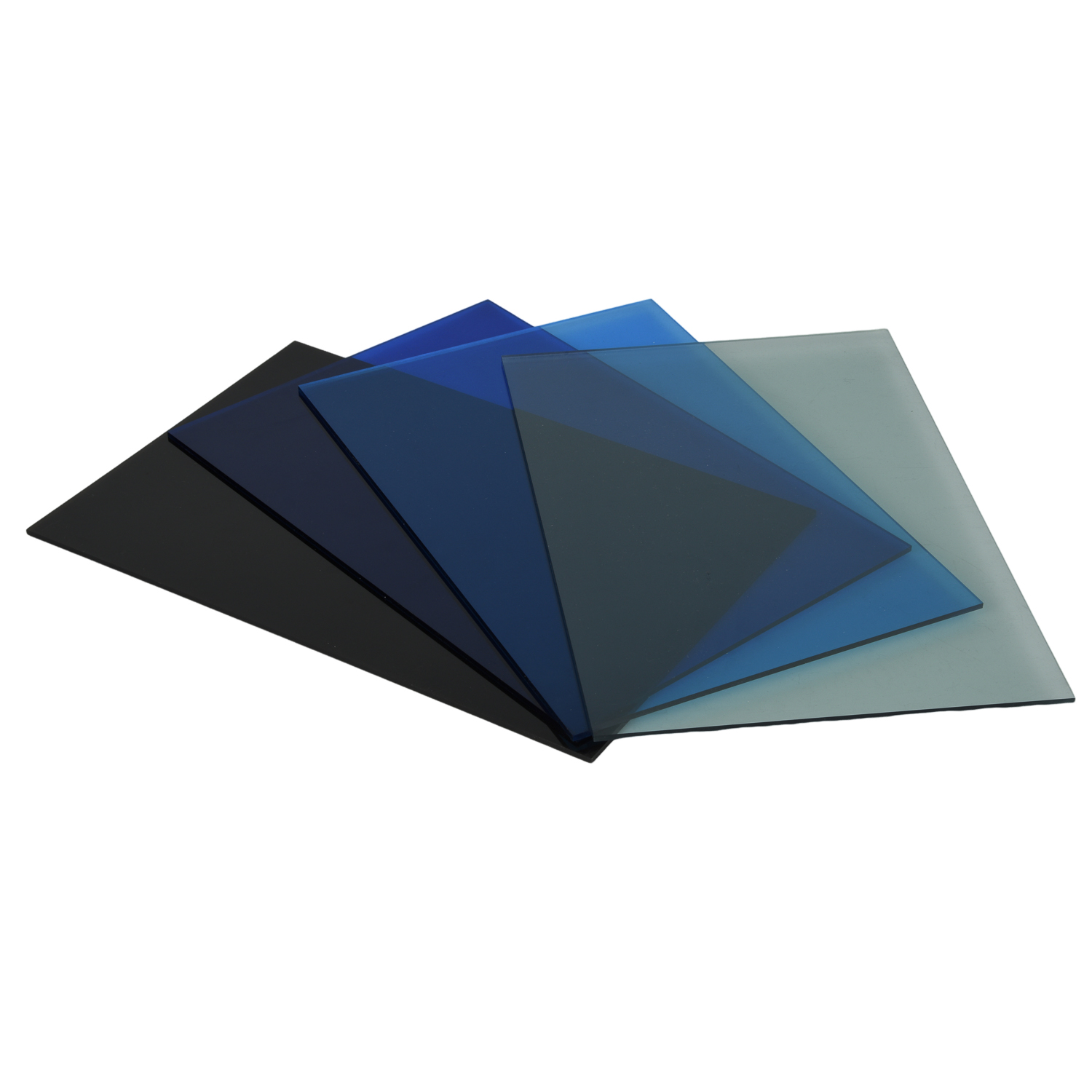
Acrylic products refer to crafts or consumer goods made from acrylic materials based on their excellent properties.Because plexiglass has the advantages of high transparency, low price, and ease of mechanical processing.Therefore, acrylic products are widely used, and we can see them everywhere in our daily lives.
Plexiglass, also known as acrylic or polymethyl methacrylate, is abbreviated as PMMA in English.It has advantages such as high transparency, low cost, and ease of machining.It is a commonly used glass substitute material, and its chemical name is polymethyl methacrylate.
Acrylic glass has good transparency and outstanding aging resistance.Its weight is less than half that of ordinary glass, yet its resistance to cracking is several times greater.It has good insulation and mechanical strength.Has strong resistance to corrosion by acids, bases and salts.and easy to process.It can undergo various manual and mechanical processing methods such as bonding, sawing, planing, drilling, engraving, grinding, screen printing, and sandblasting.After heating, it can be bent and molded into various acrylic products.
Polycarbonate is characterized by its light weight, low cost and ease of molding.Its forming methods include casting, injection molding, machining, and thermoforming.Especially for injection molding, it can achieve mass production, has a simple process and low cost.Therefore, its applications are becoming increasingly widespread, and it is widely used in instrument and meter components, car headlights, optical lenses, transparent pipes, and more.
Acrylic is the best new material after ceramics that can be used to manufacture sanitary fixtures.Compared with traditional ceramic materials, acrylic not only has unparalleled high gloss, but also has the following advantages: good toughness, not easily broken; strong reparability, as you can restore bathroom fixtures just by wiping them with a soft foam soaked in toothpaste.The texture is soft, and there is no icy and numbing sensation in winter.Bright and colorful, it can satisfy the individual tastes of different preferences.Using acrylic to make sinks, bathtubs and toilets not only offers exquisite designs and long-lasting durability, but also has an environmental-friendly feature.Its radiation level is comparable to that of the human skeleton itself.Acrylic sanitary ware first emerged in the United States and now it has occupied over 70% of the entire international market.
Due to the difficulty and high cost of producing acrylic, there are many low-quality, cheap substitutes on the market.These substitutes are also known as “acrylic”, but in fact they are ordinary organic boards or composite boards (also called sandwich boards).Ordinary organic sheets are cast using common acrylic cracking materials mixed with pigments. They have low surface hardness, fade easily, and polishing after fine sanding yields poor results.The composite board only has a very thin layer of acrylic on the surface, with ABS plastic in the middle. It is prone to delamination due to thermal expansion and contraction during use.The authenticity of acrylic can be identified by the subtle color differences and polishing effects on the cross-section of the sheet.