
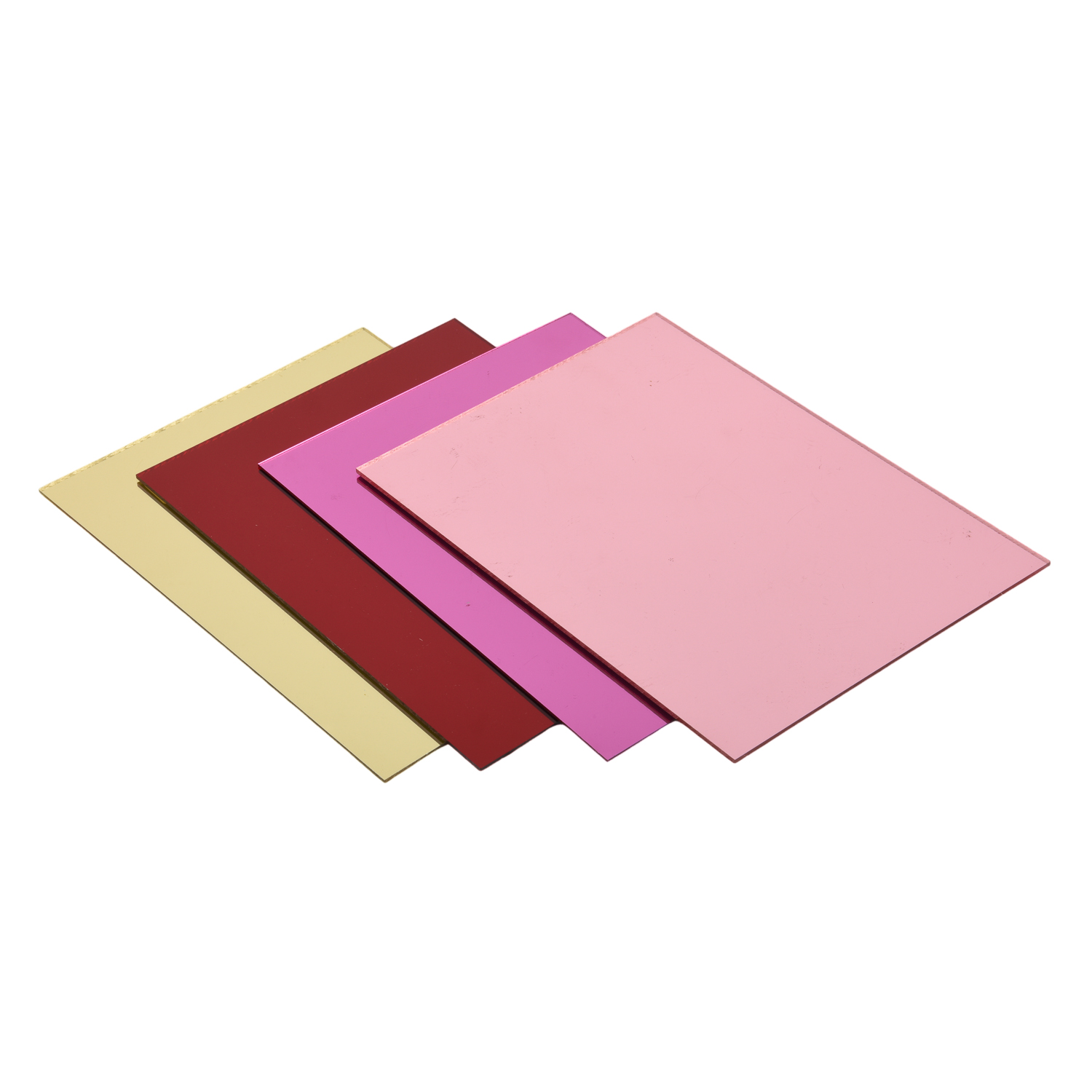
If you have ever searched online for acrylic sheets but ended up seeing transparent plastic panels, this is by no means a coincidence.These two terms are often used interchangeably, which can easily cause confusion. Customers often call to inquire about plexiglass, but in fact they are referring to transparent plastic products. Even some people might mention “acrylic glass” or “latex board”.
Acrylic Sheet: The Material Behind the Name
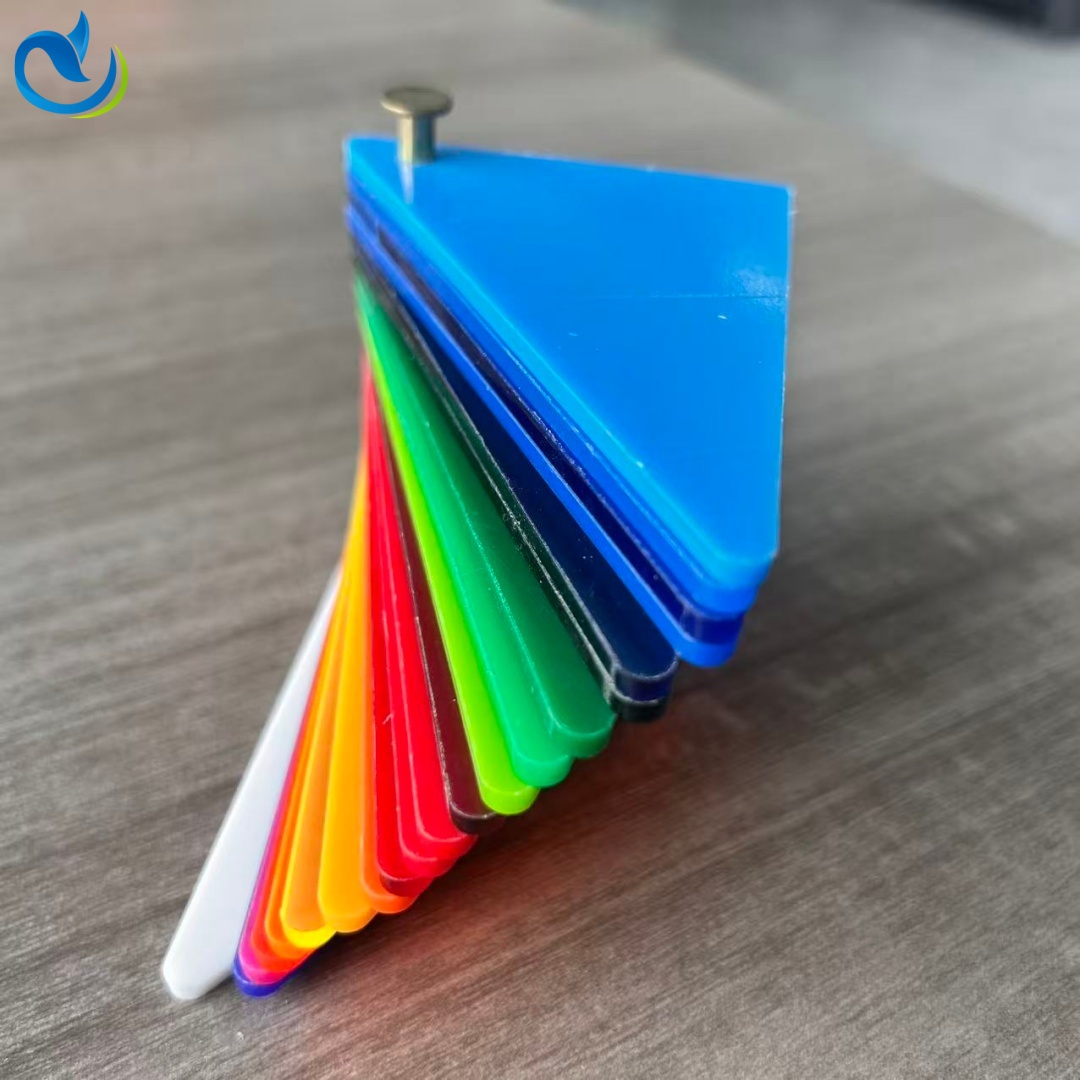
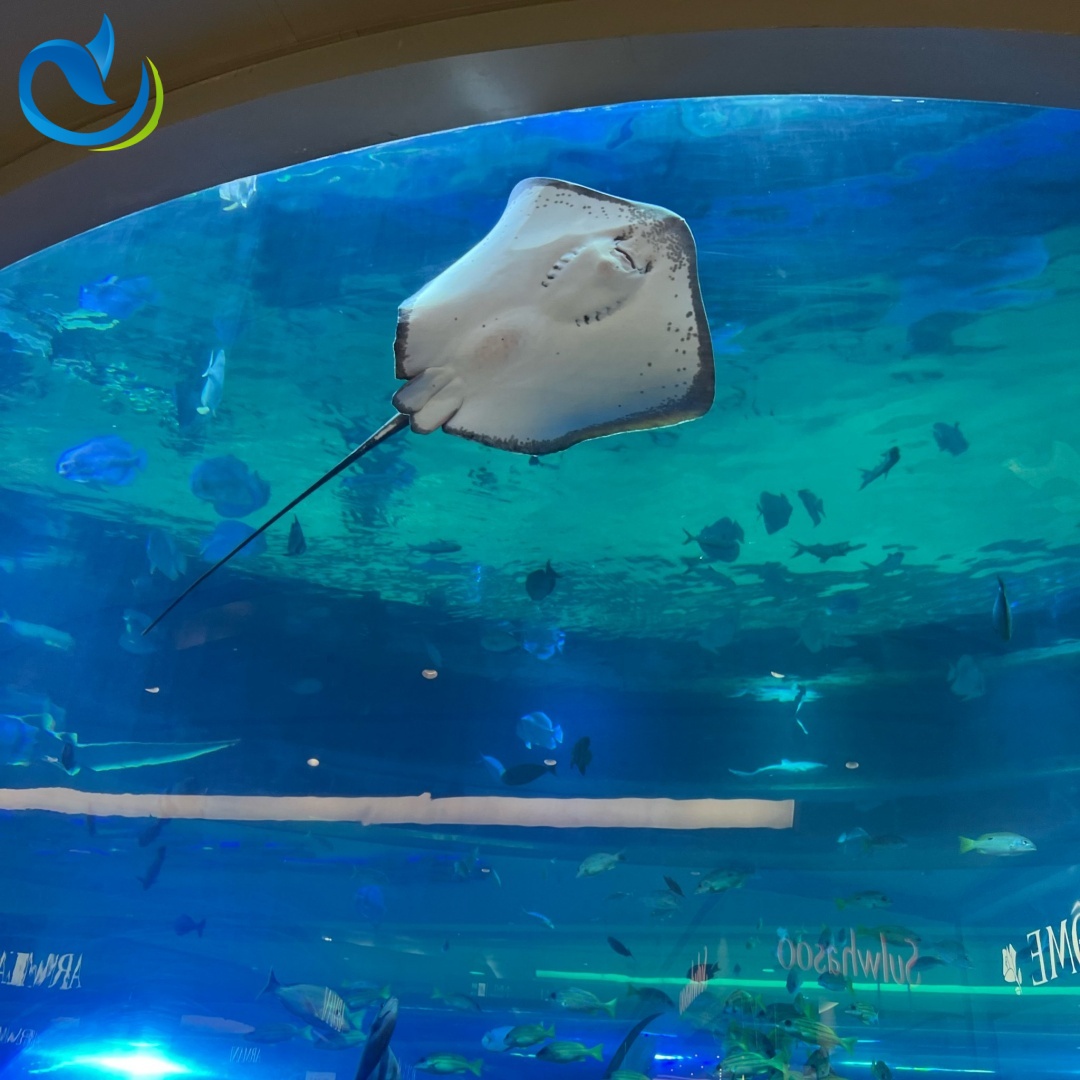
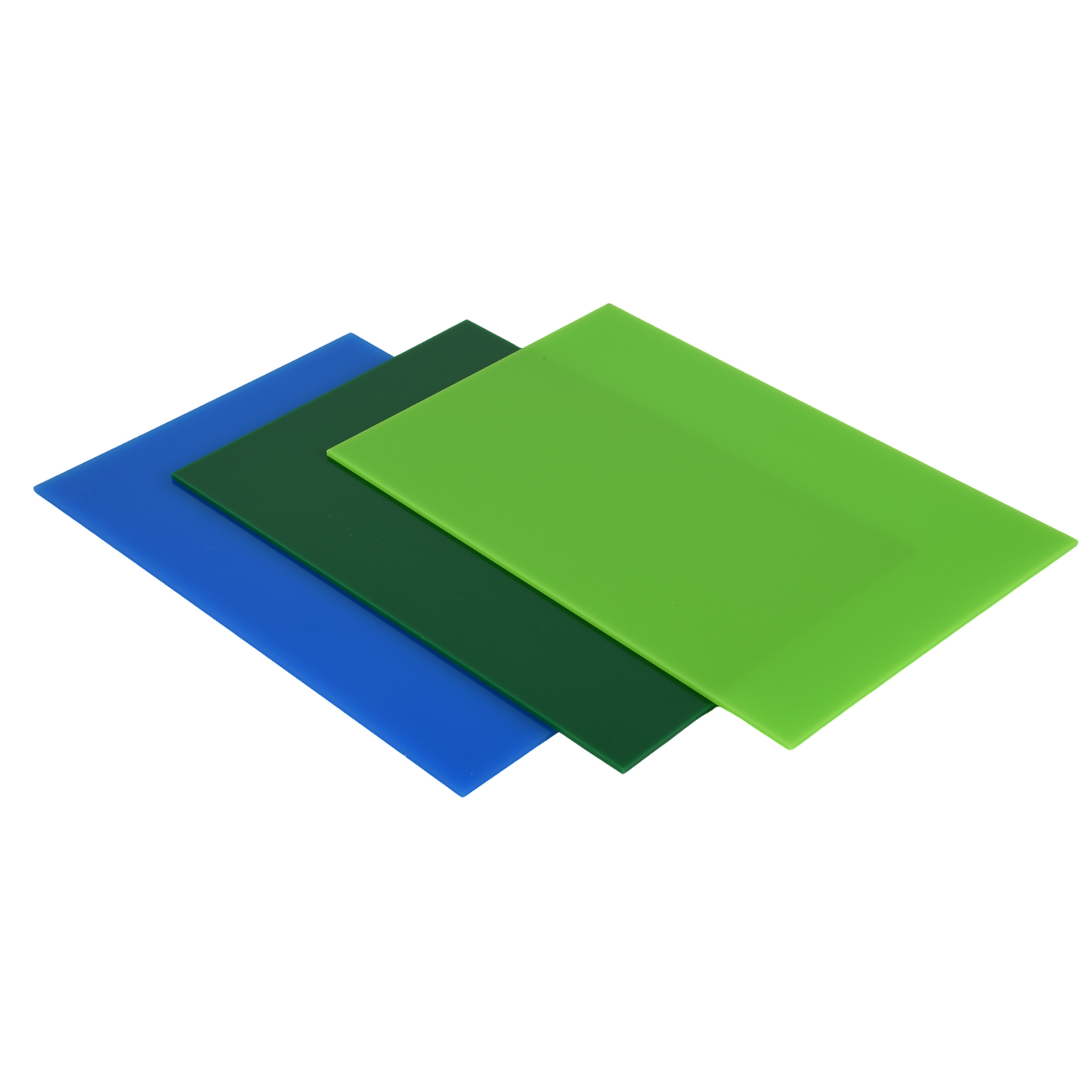
When you hear the term “acrylic sheet,” what comes to mind is actually this material itself—polymethyl methacrylate (PMMA), not a brand.Nowadays, many companies produce this material under names such as “Acrilite”, “Lucite”, “Perspex”, “Octylite”, and of course, “Plexiglas”.From a chemical composition standpoint, they are all the same substance: a durable, transparent plastic that looks and behaves very much like glass but performs better. Acrylic sheets are favored for their optical clarity, strength, and versatility.It is more transparent than glass, can transmit more visible light, and can be cut, drilled, bent, polished, numerically controlled processed or laser engraved.Whether you are framing artwork, creating retail displays, or making signage, acrylic sheets are one of the easiest materials to work with and also one of the most visually appealing materials.
Polycarbonate and Acrylic: What’s the Difference?
In a nutshell: They are the same material.
Polymethyl methacrylate (referred to as “PMMA”) is actually the trademark name for a type of acrylic sheet known as “polymethyl methacrylate”, just as “Band-Aid” is the trademark name for medical adhesive tape.Both refer to polymethyl methacrylate. So when you buy a piece of clear acrylic sheet from Arris Plastics, what you get is exactly the material that many people casually refer to as ‘polycarbonate’.
All plexiglass is made of acrylic material, but not all acrylic is plexiglass. Its properties – transparency, durability and malleability – are exactly the same regardless of which manufacturer produces it.


One Response
I like this weblog very much so much superb information.